
·
Michael Pento
Michael Pento: 2027 Will be a Year of Reckoning for the U.S. Economy and Markets
Michael Pento, President and Founder of Pento Portfolio Strategies, joins Tom Bodrovics to discuss his increasingly cautious market outlook. Pento’s model currently sits in sectors three and four, indicating stasis or slight reflation, but he anticipates a shift to sectors one and two by 2027. He has neutralized his portfolio for the first time since December 2021, reflecting his be
Pento argues that the Federal Reserve is raising short-term rates while long-term rates are also rising, creating pressure on a "triumvirate of bubbles"—credit, real estate, and equities. He attributes this to inflation remaining above target for over five years, foreign creditors abandoning US Treasuries in favor of gold, and the unwinding of the yen carry trade. The US savings rate is near historic lows, limiting demand for government debt while deficits remain massive. He warns that AI-related debt issuance, potentially a trillion dollars this year, is fueling inflation and competing with Treasuries for scarce savings. He dismisses the idea that renewed quantitative easing could solve the problem, calling such measures palliative and likely to trigger a stagflationary environment.
Pento predicts the next recession will cause deficits to balloon from two trillion to four-to-six trillion dollars annually, with the Fed unable to lower rates effectively without igniting double-digit inflation. He notes that total non-financial business debt, equity market capitalization relative to GDP, and housing affordability are all at or near record extremes, making the coming downturn potentially severe. Pento emphasizes that the Fed’s traditional tools—lowering rates and expanding its balance sheet—will not work this time because investors now understand the inflationary consequences. He concludes that the US is trapped by overfinancialization and fiscal irresponsibility, with no easy exit from the coming credit crisis.
Pento argues that the Federal Reserve is raising short-term rates while long-term rates are also rising, creating pressure on a "triumvirate of bubbles"—credit, real estate, and equities. He attributes this to inflation remaining above target for over five years, foreign creditors abandoning US Treasuries in favor of gold, and the unwinding of the yen carry trade. The US savings rate is near historic lows, limiting demand for government debt while deficits remain massive. He warns that AI-related debt issuance, potentially a trillion dollars this year, is fueling inflation and competing with Treasuries for scarce savings. He dismisses the idea that renewed quantitative easing could solve the problem, calling such measures palliative and likely to trigger a stagflationary environment.
Pento predicts the next recession will cause deficits to balloon from two trillion to four-to-six trillion dollars annually, with the Fed unable to lower rates effectively without igniting double-digit inflation. He notes that total non-financial business debt, equity market capitalization relative to GDP, and housing affordability are all at or near record extremes, making the coming downturn potentially severe. Pento emphasizes that the Fed’s traditional tools—lowering rates and expanding its balance sheet—will not work this time because investors now understand the inflationary consequences. He concludes that the US is trapped by overfinancialization and fiscal irresponsibility, with no easy exit from the coming credit crisis.
Guest
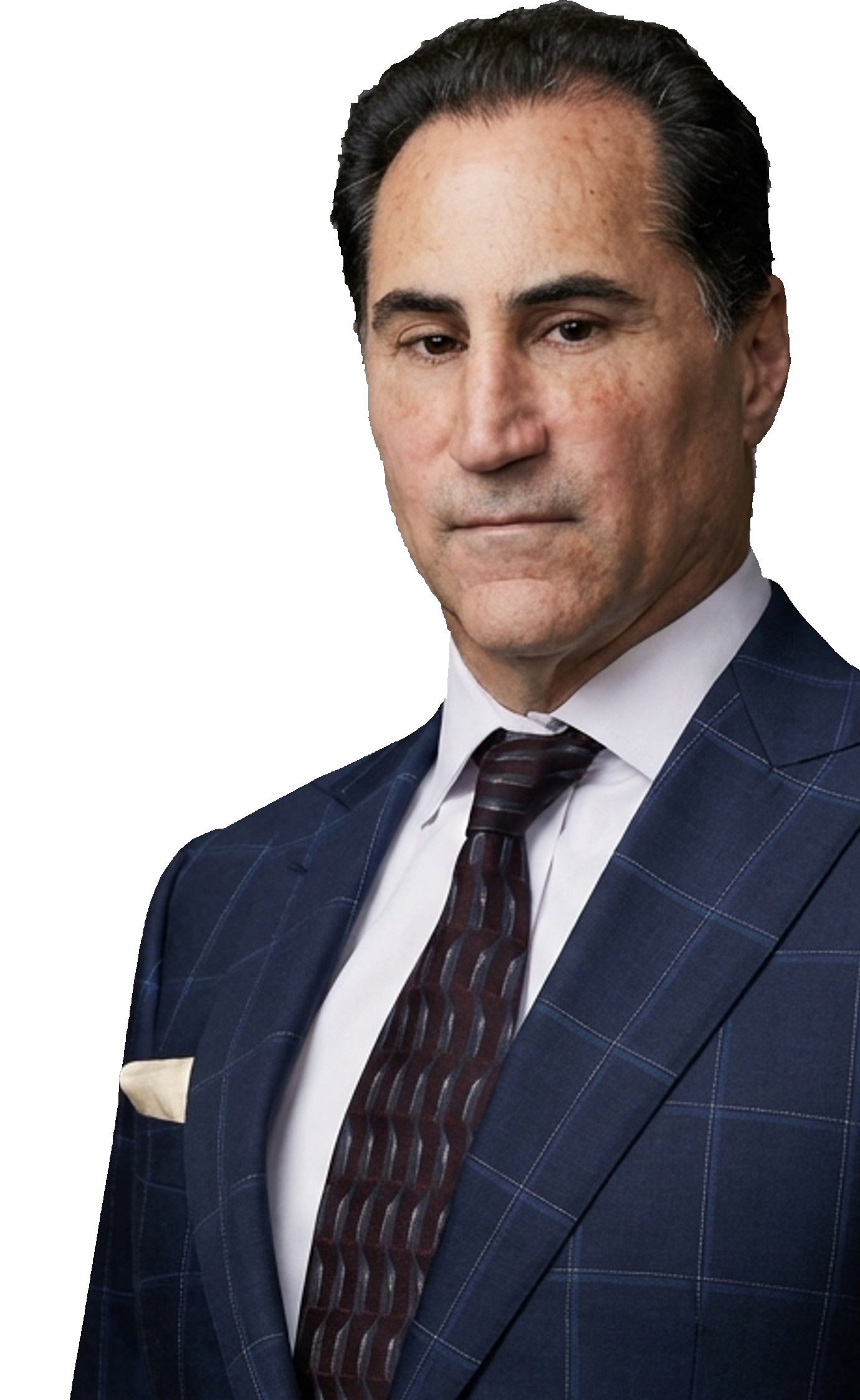
Michael Pento
President and Founder of Pento Portfolio Strategies
Michael Pento is the President and Founder of Pento Portfolio Strategies with more than 30 years of professional investment experience. He worked on the floor of the NYSE during the mid-90s. Pento served as an economist for both Delta Global and EuroPacific Capital. He was also the portfolio creator and consultant to Delta/Claymore's commodity portfolios, which were distributed through Claymore/Guggenheim's sales network.