
Jaime Carrasco: The Fed Can’t Stop What’s Coming | Why Gold is Headed to $25,000
Carrasco contends that the real problem is not assets becoming more valuable but the purchasing power of money eroding, a trend he expects to accelerate as governments are forced to print money to manage unsustainable debt levels. He draws a sharp distinction between owning real assets and holding credit-based derivatives, warning that the latter could prove worthless in a systemic reset reminiscent of the 1930s.
Carrasco highlights the precious metals sector, particularly producers like Agnico Eagle, as one of the few areas trading at a discount to intrinsic value, offering a value proposition similar to Warren Buffett’s investments in the late 1990s. He sees a massive opportunity in silver, noting the historically extreme 70-to-1 gold-silver ratio compared to an 8-to-1 mining ratio, and points to growing industrial demand and Asian physical buying as catalysts for a rebalancing.
Geopolitically, Carrasco favors Latin America for its resource wealth and relative insulation from the credit and energy crises afflicting Europe and other regions. He stresses the importance of patience and a disciplined asset allocation, recommending a significant weighting in precious metals and direct share ownership. For investors, the core message is to recognize the long-term monetary shift underway and position accordingly in tangible assets and well-managed producers before the broader market fully acknowledges the scope of the developing storm.
Guest
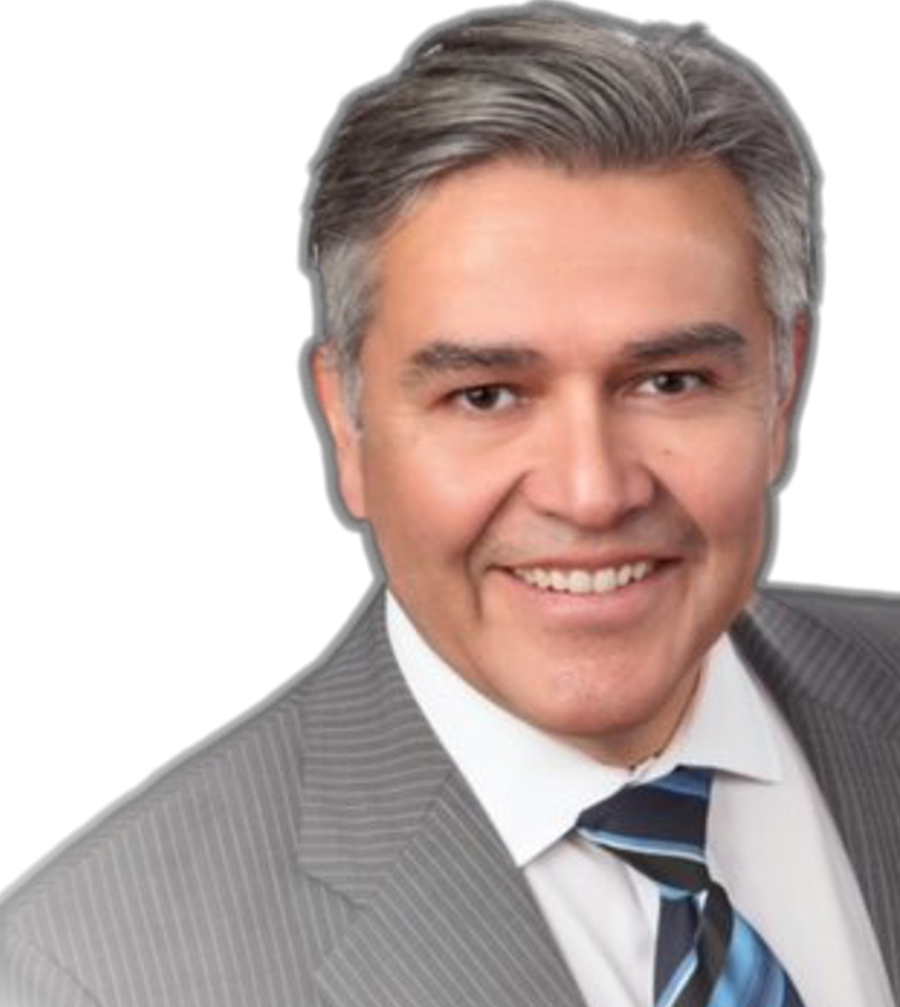
Jaime Carrasco
Senior Portfolio Manager & Senior Investment Advisor at Harbourfront Wealth Management
Jaime Carrasco is Senior Portfolio Manager & Senior Investment Advisor at Harbourfront Wealth Management. From 2014-2018 he worked as Director of Wealth Management and Associate Portfolio Manager for ScotiaMcLeod. Before this, he worked for Macquarie Group, CIBC Wood Gundy, BMO Nesbitt Burns, Gordon Capital, and Merrill Lynch.
Jaime is a leading Canadian investment professional with 25 years of experience providing wealth management and investment counsel to affluent families, businesses, and institutions. He has garnered a reputation for questioning and challenging the status quo and exploring the most innovative investment strategies.
Jaime, whose mother tongue is Spanish, also speaks Italian and French. He completed a BA in political science and economics at the University of Toronto in 1988. While a student, he worked for CS Yacht, a company that built luxury sailboats, thus spending his summers as a skipper for the Canadian establishment members. Jaime credits this experience and having survived sailing through Hurricane Bob in 1991. This experience taught him lessons that have become a metaphor for his financial investment strategies.
"Like one's financial wealth, sailing is not about controlling the wind, but rather about adjusting the sails."