
·
Kevin Muir
Kevin Muir: Will the SpaceX IPO Mark the Top of Markets for Decades?
Kevin Muir expresses deep skepticism about the looming SpaceX IPO, suggesting its astronomical valuation could mark a peak in market enthusiasm, reminiscent of the AOL-Time Warner deal. Beyond sentiment, the sheer supply of new stock from major IPOs like SpaceX, Anthropic, and OpenAI will require capital that must come from selling other assets. This comes as institutional cash levels are near record lows and corporate buybacks, historically a key source of stock demand, are shrinking because tech giants are redirecting cash flow into AI infrastructure.
Muir believes stock market weakness could arrive before the IPO date as investors sell to make room, and he highlights the dangerous disconnect in the equity risk premium. With bond yields now exceeding the earnings yield of stocks, long-term return models are flashing warnings, even as short-term momentum persists. He analyzes the current market through his concept of "rolling mini bubbles," where speculative manias in sectors like silver, EVs, and now semiconductors inflate and deflate cyclically. Rather than fighting these bubbles, he argues for identifying and riding the next one, pointing to agriculture as a candidate.
The AI boom faces acute skepticism. Muir suspects the recent surge in GPU usage is artificially driven by companies mandating AI adoption and may not represent durable demand. He warns that the massive capital expenditure and circular profit dynamics among tech giants create a fragile, self-reinforcing feedback loop, with concentration risk dangerously high in a handful of stocks. On geopolitics, he sees energy and defense spending as a long-term inflationary force, yet remains bullish on Japan due to its cheap currency and vast domestic savings. On gold, he dismisses the old correlation with real yields, arguing that sustained Chinese diversification away from US assets will drive the next leg higher, with the recent pullback presenting a buying opportunity.
Muir believes stock market weakness could arrive before the IPO date as investors sell to make room, and he highlights the dangerous disconnect in the equity risk premium. With bond yields now exceeding the earnings yield of stocks, long-term return models are flashing warnings, even as short-term momentum persists. He analyzes the current market through his concept of "rolling mini bubbles," where speculative manias in sectors like silver, EVs, and now semiconductors inflate and deflate cyclically. Rather than fighting these bubbles, he argues for identifying and riding the next one, pointing to agriculture as a candidate.
The AI boom faces acute skepticism. Muir suspects the recent surge in GPU usage is artificially driven by companies mandating AI adoption and may not represent durable demand. He warns that the massive capital expenditure and circular profit dynamics among tech giants create a fragile, self-reinforcing feedback loop, with concentration risk dangerously high in a handful of stocks. On geopolitics, he sees energy and defense spending as a long-term inflationary force, yet remains bullish on Japan due to its cheap currency and vast domestic savings. On gold, he dismisses the old correlation with real yields, arguing that sustained Chinese diversification away from US assets will drive the next leg higher, with the recent pullback presenting a buying opportunity.
Guest
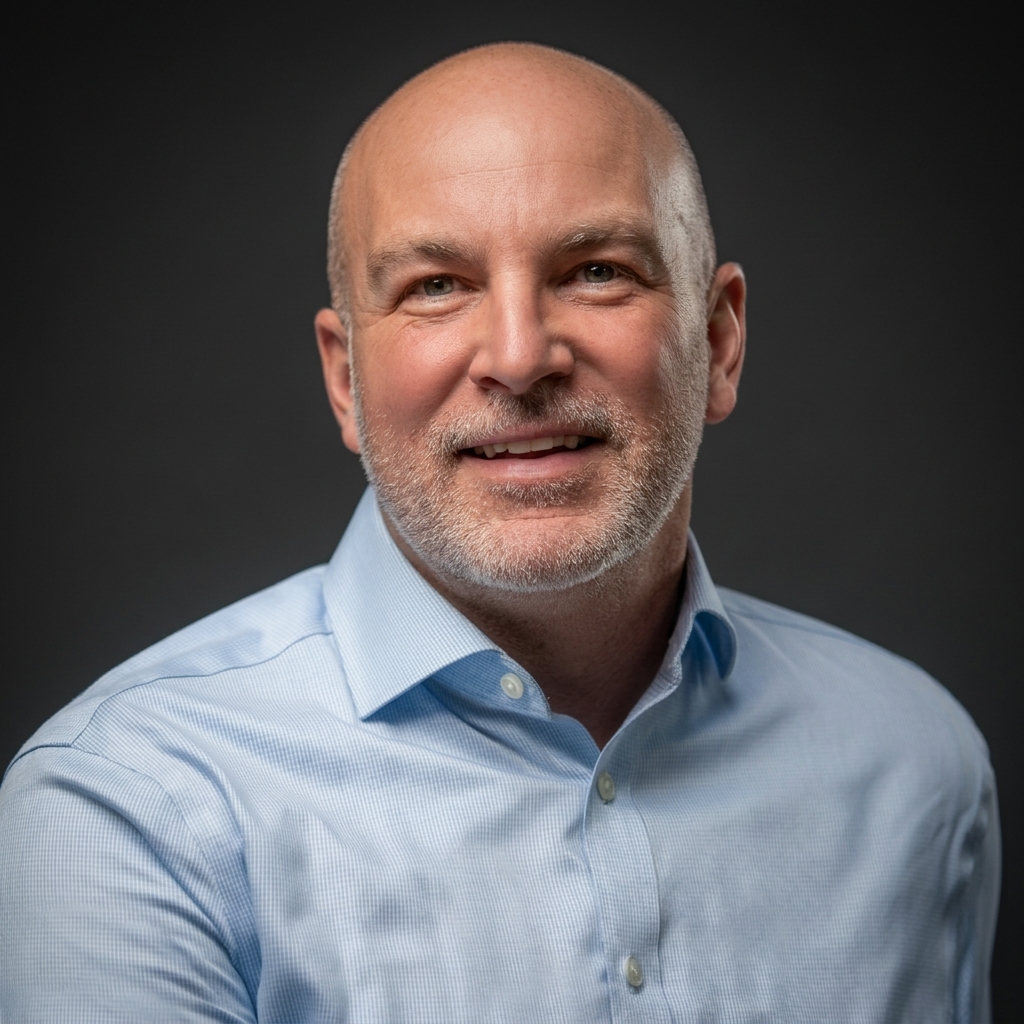
Kevin Muir
Publisher of The Macro Tourist Newsletter & Co-Host of The Market Huddle
Kevin Muir started as an institutional equity derivative trader for a big Canadian bank in the 1990s. In 2000, Kevin decided that bank-life wasn't for him, so he traded his own account for the next two decades. Along the way, he started writing the MacroTourist newsletter, which he describes as an "almost daily" letter about the markets that still manages to have fun. The MacroTourist newsletter attempts to bring a unique take on a variety of different financial topics. Kevin's tagline is, "All I Bring to the Party is 25 Years of Mistakes."
Kevin Muir is a CFA and a graduate of the University of Toronto economics program.