
Robert Sinn: What If the Fed Doesn’t Hike this Year
The discussion contrasts current market conditions with the early-year rally, where gold appeared to front-run geopolitical conflict. Sinn argues that the recent inflationary spike is transitory, driven by unique war-related oil disruptions that are now reversing. He contends the greater long-term threat is actually deflation, powered by accelerating technological advances in AI and robotics that could massively expand the supply of goods and services. This outlook informs his view that the Federal Reserve is unlikely to hike rates despite market fears, a misinterpretation that has pressured gold.
Sinn emphasizes relying on technical analysis and price action to filter out pervasive market noise and propaganda, especially during the recent Iran conflict. This approach prevented poor, fear-driven decisions in the oil market, which he now views as attractive again after the war premium evaporated. For mining investments, he focuses on catalysts across the sector lifecycle, from free cash flow in seniors to drill results and permitting milestones in juniors, citing Colombia-based Endina Copper’s consistent high-grade intercepts as a compelling example. He remains confident that precious and base metals are in a secular bull market, viewing the current correction as a classic shakeout within a long-term uptrend.
Guest
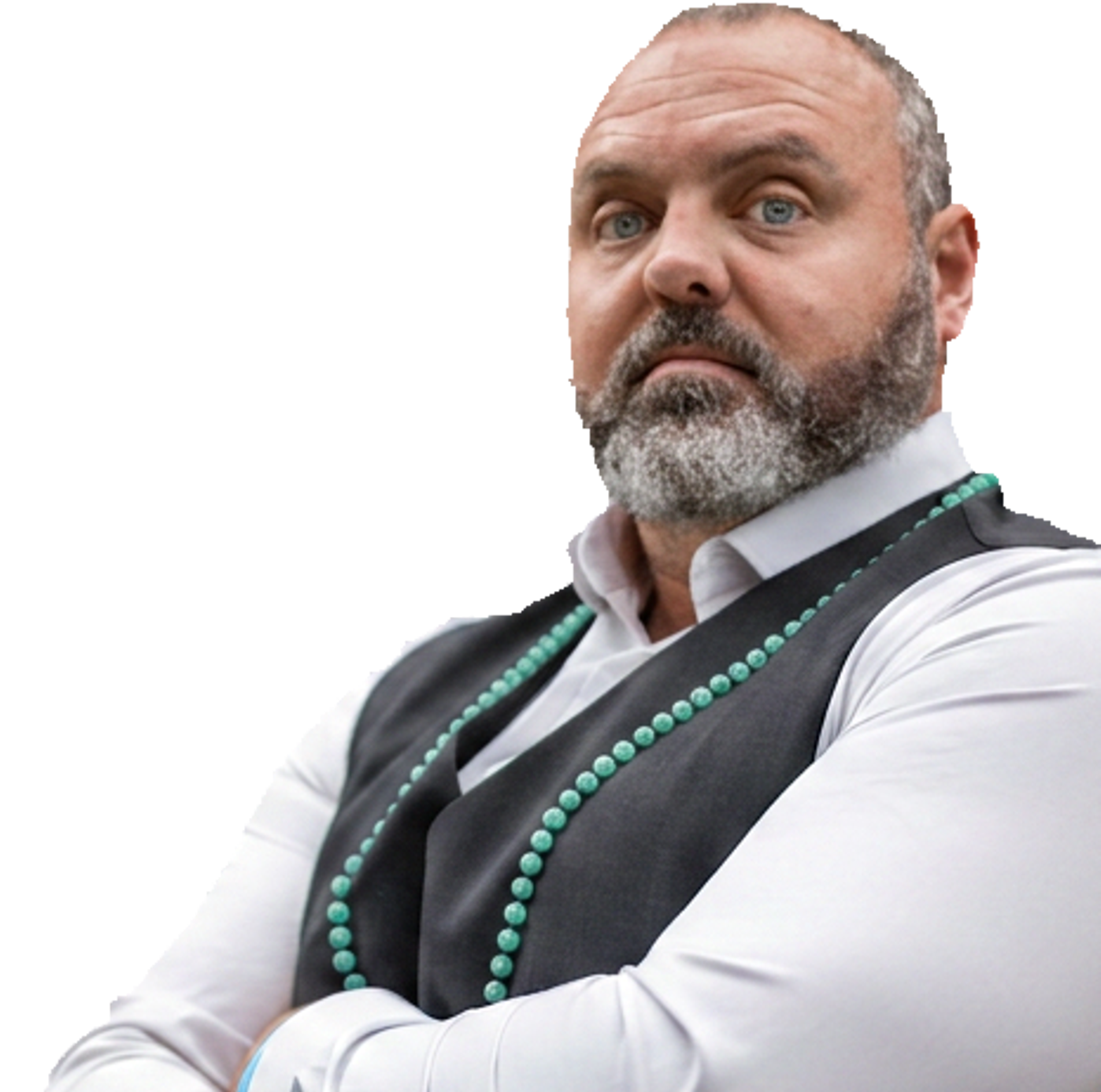
Robert Sinn
Investor, Trader, Market Commentator, and Author of the Gold Finger Capital Substack
Robert Sinn is a 20+ year market veteran whose research and insights are followed by hedge fund managers, investment professionals and thousands of readers/viewers across the globe. His introduction to the stock market came in 2003 when his Father shared a research note on a company called Northern Dynasty Minerals (NDM). Shares proceeded to rise more than 1000% over the next nine months. Robert was hooked, and the Junior mining sector became an obsession.
Across his extensive career Robert has acted as a market participant, commentator and trader performing dozens of site visits, CEO interviews and generating a wealth of research spanning multiple market cycles.