
·
Chris MacIntosh
Chris MacIntosh: Pension Funds and Investors Trapped in the Looming Debt Implosion
Hedge fund manager Chris MacIntosh offers a stark assessment of the current financial system, arguing it is held together by the immense power to manipulate credit through front-end Treasury yields. This power, however, is reaching its limits. He identifies three interconnected bubbles propped up by this manipulation: the AI-driven equity bubble, a massive private credit bubble, and the foundational sovereign debt bubble. The long end of the bond market, which central banks cannot easily control, is signaling a significant shift, with rising long-term yields threatening to unravel the entire structure. MacIntosh details how the private credit bubble is silently imploding as debt, financed at ultra-low rates, rolls over into a much higher interest rate environment. This is forcing highly leveraged, illiquid funds to gate redemptions, exposing pension funds and retail investors who were unknowingly sold this risk.
Simultaneously, the AI bubble is sustained by a passive-capital feedback loop, but the massive CapEx is now being financed with debt rather than equity as free cash flows collapse, a model he deems unsustainable without future profits. He contextualizes these financial dynamics within a broader geopolitical and societal shift, arguing that Western "democracies" are run by competing corporate interests, not elected officials. The dollar-based system, enforced by military might, is waning. Consequently, vested interests are racing to build a replacement control system based on central bank digital currencies and a global surveillance infrastructure, securing key geopolitical chokepoints in the process.
Given these converging risks, MacIntosh advocates for a probabilistic investment approach focused on asymmetry and value. He points to the extreme undervaluation of hard assets—commodities and energy—relative to overvalued U.S. equities. Similarly, emerging markets like China present significant opportunity, as negative sentiment is already deeply priced in. Ultimately, he stresses that ignoring these uncomfortable but clear structural problems is a decision in itself, and ownership of tangible, non-manufacturable assets is the logical response to a system prioritizing financialization over fundamental value.
Simultaneously, the AI bubble is sustained by a passive-capital feedback loop, but the massive CapEx is now being financed with debt rather than equity as free cash flows collapse, a model he deems unsustainable without future profits. He contextualizes these financial dynamics within a broader geopolitical and societal shift, arguing that Western "democracies" are run by competing corporate interests, not elected officials. The dollar-based system, enforced by military might, is waning. Consequently, vested interests are racing to build a replacement control system based on central bank digital currencies and a global surveillance infrastructure, securing key geopolitical chokepoints in the process.
Given these converging risks, MacIntosh advocates for a probabilistic investment approach focused on asymmetry and value. He points to the extreme undervaluation of hard assets—commodities and energy—relative to overvalued U.S. equities. Similarly, emerging markets like China present significant opportunity, as negative sentiment is already deeply priced in. Ultimately, he stresses that ignoring these uncomfortable but clear structural problems is a decision in itself, and ownership of tangible, non-manufacturable assets is the logical response to a system prioritizing financialization over fundamental value.
Guest
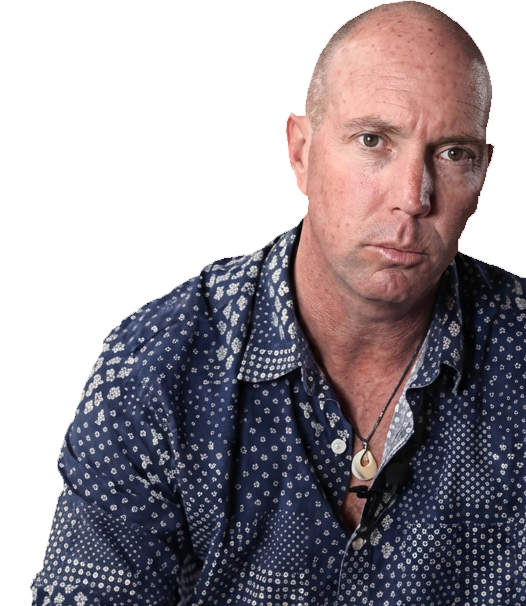
Chris MacIntosh
Hedge Fund Manager and Founder of Capitalist Exploits
Raised in Southern Africa, Chris Macintosh has since lived and invested from sevent different countries. After a career at top-tier investment banks such as JP Morgan, Lehman, Robert Flemmings and Invesco, Chris became tired of corporate life, and has since built and sold multiple million dollar companies, overseen $35 million into venture capital, all the while investing full time, and managing his own and private client wealth.